November 25, 2026
Noise Considerations with Metal Roofing in Winnipeg
By @roofcare-b-o-k-r-5-9-4
Metal roofs have a reputation. Some of it is earned, some of it belongs to old farm sheds, and some of it gets exaggerated every time a prairie thunderstorm rolls through. In Winnipeg, where weather plays a long, loud game, questions about metal roof noise come up in almost every client conversation. The truth is more disciplined than the myths. A metal roof can be loud, or it can be as quiet as a good asphalt roof. The difference rides on build quality, roof assembly design, and how your house deals with sound. If you treat noise as a system problem rather than a surface problem, you get peace and performance at the same time.
What people actually hear in a prairie storm
Let’s ground things in lived experience. On a mid-summer night, lightning walks across the Red River Valley and the rain turns steady within minutes. On a standard 5 in 12 roof with 5/8 inch roof sheathing, synthetic underlayment, and a standing seam panel over a vented attic with R-50 insulation, a second-floor bedroom usually measures somewhere around 35 to 45 decibels above ambient during moderate rain. That reads like a fridge humming in the next room. Switch the same home to a cathedral ceiling with only 1/2 inch OSB, minimal insulation, and exposed-fastener metal panels screwed tightly to the deck, and that same rainfall may sound closer to 50 to 60 decibels, with sharper transients when big drops or hailstones hit. Not deafening, but definitely noticeable, especially to light sleepers.
Those numbers will swing by room and assembly. Attic volumes, vent locations, the presence of ducts in the attic, and the stiffness of the framing all steer the outcome. Hail raises the stakes because it has more kinetic energy than rain and reaches the roof with higher velocity. A golf-ball storm can produce a surprising rattle, often amplified through vent openings and soffits. Snow, on the other hand, is a free sound blanket. Once a few centimeters accumulate, most metal roofs turn quiet enough that you hear the furnace more than the weather.
Why the old barn roof was loud and yours doesn’t have to be
The source of the myth lives in buildings that treat the steel sheet as the roof. Twin 2x4 purlins 24 inches on center, big gaps of air, no sheathing, and a corrugated panel as thin as a cookie tin. Rain hits that span and the panel flexes like a drum head. The sound radiates into open rafters and a big hollow interior. Of course it is loud. A Winnipeg home with closed cavities, proper decking, underlayments, and insulation behaves differently. The metal surface becomes only one part of a layered assembly that damps vibration and absorbs energy before it ever crosses into living space.
Think about noise in three moves: generation, transmission, and perception. You can limit all three with design choices.
- Generation lives at the metal panel. Thickness, profile geometry, and how the panel connects to the deck decide how much it can vibrate.
- Transmission happens through the roof deck, trusses, and connected cavities. The stiffness and mass of these parts, plus any decoupling layers, affect how much energy crosses the boundary.
- Perception depends on where your ears are, what the room surfaces do to the sound, and ambient noise levels inside the house.
A good winnipeg roofing crew treats each move with intent.
The roof assembly is the instrument
Every roof is an acoustic instrument, whether you want it to be or not. Here is what matters most in Winnipeg’s climate.
Sheathing thickness and material. Thicker sheathing is quieter. Jumping from 1/2 inch OSB to 5/8 inch, or better yet 3/4 inch plywood in problem areas, increases mass and stiffness. More mass means more energy required to move it. Stiffer sheets reduce panel drumming between fasteners. When we have re-roofed bungalows in St. James and North Kildonan, the most noticeable decibel drop often came from replacing spongy old sheathing with 5/8 inch plywood before the metal ever went on.
Underlayments that damp. Synthetic underlayments vary. Some are smooth and slick, great for installation speed. Others add a thin elastomer or felt backing that acts like a vibration sink. Butyl-based sound-deadening membranes placed in strategic locations under panels, especially in valleys and at broad panel fields exposed to prevailing north winds, can shave a few decibels off the sharp clatter of hail or heavy raindrops. These membranes are not a cure-all, but they change the character of the sound, turning a ping into a thud.
Panel profile and gauge. Standing seam panels with concealed clips sit slightly off the deck and distribute loads through clip points. That small air gap and the lack of perforations in the panel reduce the direct coupling of vibration compared to exposed-fastener systems. A heavier gauge panel, such as 24 gauge steel rather than 29 gauge, also resists flexing. The difference in thickness seems small on paper, but you feel it at installation and hear it in a storm. With batten-style metal shingles or stone-coated steel systems, the broken-up surface geometry scatters sound and can be very quiet, often rivaling asphalt.
Fasteners and contact points. A metal roof can create noise without a single raindrop if the fasteners or clips are misused. Overtightened screws on an exposed-fastener panel press the washer into the panel and lock it too tightly to the deck, so thermal movement has to fight friction. That stored stress releases with ticks and pops as the day warms or cools. On standing seam, the wrong clip for the panel or spacing the clips too wide can let the metal oil can and sing in gusts. In winter, thermal contraction on a minus 30 night can highlight every mistake. Careful fastening patterns and the right hardware turn those pops into silence.
Insulation type and depth. More insulation helps, but not all insulation helps equally with sound. Fiberglass batts provide thermal resistance but little sound absorption at the frequencies generated by rain on steel. Dense-pack cellulose is better. Closed-cell spray foam, if bonded to the underside of the deck in cathedral ceilings, adds stiffness and seals air pathways that can carry sound. In vented attics, an R-50 to R-60 blanket of blown-in cellulose with good coverage over the top plates swallows a lot of roof noise before it reaches the drywall. A sparse, wind-washed attic with baffles missing or short allows sound and air to funnel into living space.
Venting and openings. Soffit and ridge vents are necessary for roof health, and they introduce acoustic weak points if poorly designed. Metal ridge vents https://roofhub-t-i-k-g-5-3-0.raidersfanteamshop.com/ with baffles and high-density mesh reduce the direct line of sound into the attic. Overly large gable vents can act like speakers in a windstorm, especially if they face the prevailing northwest winds that scoop across Winnipeg. We have swapped out two story gable vents on a River Heights home for baffled units and the owners reported the next rain sounded half as loud in the upstairs hallway.
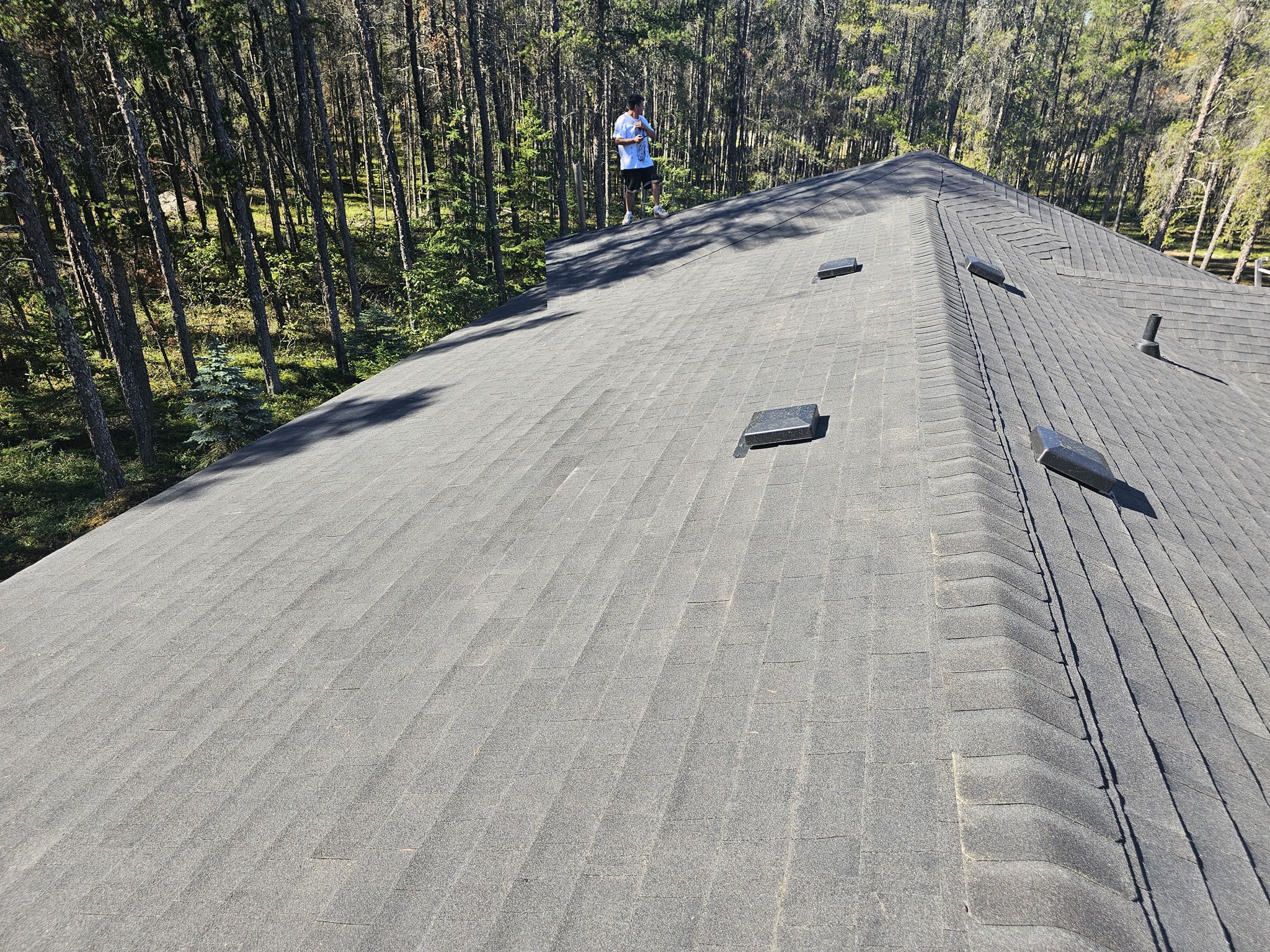
Ceiling type and framing. Flat ceilings with attic space above are usually quieter than cathedral ceilings. The attic acts like a muffler, and the extra layers of drywall, strapping, and insulation absorb and reflect sound. Cathedral ceilings can be quiet too, but they need a continuous air barrier, sufficient dense insulation, and sometimes a second layer of drywall or resilient channel to add mass and decouple vibration.
The Winnipeg factor: cold, snow, sun, and sudden change
Metal roofs in Winnipeg deal with extremes. The city will serve you a minus 35 night, a March melt with water running by noon, and a July cloudburst that turns the street into a creek. Those swings complicate the acoustic picture.
Cold affects panel stiffness and clearances. Steel gets slightly stiffer as temperatures drop, which can raise the pitch of rain noise a little and make expansion noises sharper if the clips are binding. The fix is not exotic. Use proper clip systems and allow for movement as per the panel design. In practical terms, that means following the manufacturer’s specified clip spacing and fastener torque, testing a few panels for smooth glide, and respecting maximum run lengths.
Snow changes the sound overnight. A skiff of snow can reduce rain and sleet impact noise by a lot, because the flakes cushion the fall and the snowpack absorbs vibration. The first time your metal roof carries a dry, 10 centimeter load, you will likely notice the home goes quiet, even with wind. On the flip side, ice sheets that break free and slide can make a short, theatrical whoosh. Snow guards and well placed diverters spread out those loads and keep the exit gentle. They also stop an unpleasant 3 a.m. Avalanche onto your deck.
Hail is the wild card. Winnipeg does not have Calgary’s hail frequency, but we still see storms that pepper cars and leave dimples in softer metals. Acoustically, hail is noticeable because of the irregular impacts and higher force per strike. A heavier gauge steel or an aluminum panel with textured profiles blunts that ring. Stone-coated steel systems do well here, both for impact resistance and for damped sound. From inside the house, with a good assembly below, hail sounds like a busy popcorn maker. You will not sleep through a big storm, but you will not feel like you are under a tin drum either.
Rapid temperature changes create ticks and pops, typically at sunrise and sunset. The sound is short and localized, like a small bottle cap clicking. It usually comes from panels overcoming friction at one or two sticky points. Installers can track this down with a ladder, a cool morning, and patience. A small adjustment to a clip or a fastener, or a slip sheet in a trouble spot, calms the system down.
How different metal systems compare for noise
Standing seam steel with concealed fasteners is the quiet workhorse for residential projects. The panel ribs add rigidity, the concealed clips allow thermal movement, and the continuous decking below offers mass and support. In rain, this setup is comparable to architecture-grade asphalt shingles if the attic insulation is good. In hail, the initial impact is sharper, but the resonance dies quickly.
Exposed-fastener panels, the classic agricultural profile, can be reasonably quiet on a house with full decking, thicker gauge, and careful screw installation. Where it falls down is in cathedral ceilings or over open purlins. The long flat areas between ribs will drum if they can move. Over a garage or shop, that sound is often acceptable. In a bedroom, it may feel out of place.
Metal shingles and stone-coated steel break up the surface like a mosaic. They are often mounted on battens or have texturing that kills straight-line resonance. Clients who worry most about noise usually pick these products if their budget allows. They also add weight relative to thin sheet steel, which further reduces sound transmission.
Insulated metal panels, more common in commercial work, pair two metal skins with a foam core. They are quiet by nature, because the foam bonds to the metal and blocks vibration. On custom residential builds, they can solve both thermal and acoustic goals in one go, with a premium price and some detailing to manage roof-to-wall transitions.
Aluminum versus steel is less about loudness and more about tone. Aluminum dents easier under hail but resists corrosion. It can ring at a slightly higher pitch than steel. If you care about the sound, let your ear decide. We have a test array in the yard of the shop where we can spray a hose and throw a handful of pea gravel so homeowners can hear the difference. It is not scientific, but it is honest.
The room below matters as much as the roof above
Noise does not stop at the roof. It reflects, absorbs, and escapes based on what the room offers. Hardwood floors and tall, bare walls magnify every sound. Thick curtains, rugs, and soft furnishings soak it up. A small shift in decor can make a metal roof feel quiet without touching a single fastener. On a budget retrofit in Elmwood, a client decided to keep the existing exposed-fastener roof on a low-slope addition. We added dense-pack cellulose above the lid, a second layer of 5/8 inch drywall, and a simple acoustic panel over the headboard wall. The total cost was a fraction of re-roofing, and the bedtime rain went from intrusive to pleasant.
Where noise shows up during installation and what we do about it
New roofs are the quietest when the assembly is consistent. The trouble starts at transitions and penetrations. Skylights, chimneys, and valleys concentrate water. If you use the wrong underlayment in a valley, the panel can chatter under certain wind directions. We run a butyl sound mat in those valleys as a standard practice now. At skylights, double check that curbs are solid and the flashing sits flat. Any place that can flutter, will.
Soffit boxes are another sleeper. Aluminum soffit panels can rattle when north winds meet a broad overhang. Before you blame the roof, push on the soffit panel and listen. If it clicks or flexes, add screws, bump up to a heavier gauge, or install a backing strip at mid-span. Roof noise gets the reputation, but the soffit often plays percussion without an invitation.
Vent stacks and metal chimney flashings create little resonators if they are not strapped firmly. In one West End project, the loudest noise in a shower during heavy rain came from a 4 inch ABS vent that vibrated inside a too-large roof boot. A foam collar and a proper clamp fixed it in ten minutes.
The expectation gap: what homeowners think versus what they get
Many homeowners expect a metal roof to be loud because their neighbor’s detached garage clatters during storms. Garages are the perfect stage for a noisy roof. No insulated attic, little drywall, and plenty of hard surfaces. Put that same panel on a house with decent insulation and the comparison falls apart. We sometimes meet the opposite expectation too. A client chooses metal assuming silence, then notices the light tapping of early autumn rain. Neither expectation is wrong. They simply start from different references. We try to set the target accurately: a well built metal roof on a typical Winnipeg home will be as quiet as a good asphalt roof in steady rain and a little more vivid during hail. If you want quieter than asphalt, we can get there, but it takes specific assembly choices.
Quick ways to design for quiet without blowing the budget
- Increase sheathing thickness to 5/8 inch and fasten it well. More mass equals less sound transmission.
- Choose a standing seam or stone-coated steel profile in a heavier gauge.
- Use a sound-damping underlayment or butyl strip in valleys and broad exposures.
- Pack the attic with dense blown-in cellulose to R-50 or better and seal air leaks at the top plates.
- Upgrade ridge and gable vents to baffled, high-density units that resist wind-driven noise.
Each of these steps brings other benefits. Thicker sheathing stiffens the roof for snow loads. Better insulation trims heating bills in February. Quality vents reduce ice dams. Good acoustic design pays twice.
Solving noise on existing metal roofs
If you already have a metal roof and the noise bothers you, you still have options. This is where a thoughtful site visit pays off. We walk the roof and the attic, then test rooms below.
- Identify the dominant path. Is the sound direct through a cathedral lid, or is it leaking through a vent or soffit?
- Add mass or decoupling at the lid. A second layer of 5/8 inch drywall with green glue between layers does more than people expect.
- Add targeted damping. Butyl sound pads under known problem panels, especially near valleys or long flats, often help.
- Improve attic insulation and air sealing. Wind-washed batts and gaps at the top plates act like an open window for sound.
- Tweak fasteners and clips. A single binding panel can produce a chorus of clicks on cold nights.
In many homes, two modest interventions reduce perceived noise by a large margin. The key is diagnosis. Guesswork leads to wasted steps, while a half-hour with a flashlight in the attic usually points to the right fix.
Asphalt versus metal, strictly by the numbers
People ask for a straight comparison. Asphalt shingles over 5/8 inch sheathing with a vented attic are quiet in gentle rain. The granules and felt layers diffuse impacts and the deck provides mass. Metal, especially standing seam on full decking, sits in the same comfort band during rain if the insulation is robust. Hail, as mentioned, is where the difference grows. Asphalt mutes hail impacts better but may end up bruised or shed granules that clog gutters. Metal rings more but shrugs off many storms with little to no damage. If you prize quiet over resilience, asphalt might edge out. If you value long service with minimal maintenance and are willing to manage the occasional louder storm, metal makes a strong case. Good winnipeg roofing work can sharpen either option.
The human factor: installation practices that matter
Every brand claims quiet performance, but practice wins this race. The installer needs a feel for panel tension and a habit of checking edges and transitions. Here is what skilled crews do that changes what you hear after they leave:
They pre-drill exposed-fastener panels where it makes sense, to prevent off-angle screws that deform panels. They snap lines and keep fasteners in consistent rows, which spreads loads evenly and reduces local drumming. They trial-fit standing seam clips to verify smooth expansion and contraction, especially at eaves and hips. They treat valleys as a quiet zone and use damping membranes, then check with a hose before rolling up. They inspect soffit and fascia for independent rattles, even if another contractor installed them. They look inside the attic for signs of airflow that will carry sound, like blackened fiberglass near vents, and recommend sealing. They tell you what to expect on the first hard hail, not after it happens.
One client, two roofs, and what they learned
A couple in Charleswood had a storybook scenario for comparing noise. Their main house had a new standing seam steel roof over a vented attic, while their detached studio had an exposed-fastener panel directly over 2x6 T and G decking with a thin felt underlay. During a morning thunderstorm, they texted me qualitative feedback that read like lab notes. The house felt like light white noise during heavy rain. The studio, where one of them paints, sounded like a snare drum when the big drops hit. We went back and added a butyl damping layer under the studio panels, then blew cellulose into the rafter cavities from the inside and added a second layer of drywall with a viscoelastic compound. The next storm arrived a month later. The text said: “Now it’s a brush on canvas instead of a stick on a drum.”
That kind of pivot is common. The metal surface stays, the assembly matures, and the noise settles.
Cost realities and return on quiet
Budget drives choices. Heavier sheathing adds a few dollars per sheet. Butyl damping membranes cost more than plain synthetics. Dense-pack cellulose or spray foam costs more than fiberglass. Those premiums buy more than quiet. Longer panel runs without oil canning. Better snow performance. Lower gas bills in February. Fewer ice dam headaches when the first thaw hits in March. When clients weigh the total package, the acoustic upgrade becomes part of a comfort upgrade, not a luxury line item.
If the budget cannot stretch, placement matters. Focus on bedrooms and dens. If you are re-sheathing, put the thicker sheets above sleeping areas. If you can only afford one damping roll, use it in valleys and on the long, windward slopes. If the attic insulation is thin, top it up above the rooms that bother you most. Winnipeg houses are a patchwork by nature. Improve the parts you use the most and you will feel it.
When noise is a feature, not a bug
Not everyone wants silence. A few clients love the sound of rain on metal because it reminds them of family cabins. In that case, design for a light, pleasant note. Put exposed-fastener panels on a lake-facing screened porch with open rafters, and keep the main house with its quiet standing seam and insulated attic. A home can have both experiences if you plan for it. The trick is to keep the concert on the porch and the lullaby in the bedroom.
How to talk about noise with your roofer
Say what you care about. If you are a light sleeper or have a newborn, tell your contractor that quiet ranks high. Ask what assembly details they recommend for your roof shape and ceiling type. A solid winnipeg roofing company should be able to describe panel gauges, underlayments, and insulation approaches without hand-waving. If they claim all metal roofs are either silent or intolerable, keep moving. Reality sits between those poles, shaped by choices you control.
A quick field demo helps. Ask to hear sample panels under a hose or rain bar if the shop has one, or visit a recent install in the same neighborhood. Real ears in a real room beat any brochure.
A short diagnostic you can do before calling
- During rain, walk room to room and note where the sound seems strongest. Pay special attention near skylights, vent stacks, and cathedral ceilings.
- Peek into the attic. Look for thin insulation over top plates, daylight at vents, or wind-washed fiberglass with gray streaks.
- Check soffits and fascia on a windy day. If they rattle when tapped, they might be adding to the concert.
- Look at fastener rows from the ground. Wandering lines or dimpled panels hint at improper screw tension.
- Note the time of day when you hear ticks or pops. If it happens at temperature swings, the fix may be at clips, not the whole roof.
Bring these notes to a roofer. They will shorten the path to a targeted solution.
The takeaway for Winnipeg homes
Metal roofing and noise do not have to share a destiny. In a city of hard winters and energetic summers, you can have the durability of steel and the quiet of a well built assembly. Start with good bones, choose profiles and gauges with intention, give the roof deck mass, and treat the attic like the acoustic buffer it is. When noise shows up, diagnose it, do not guess. Small, smart changes matter more than grand gestures.
If you are weighing materials for a re-roof, ask better questions than “Is metal loud?” Ask what the assembly looks like above your bedroom. Ask what underlayment will sit under the panels on the north slope. Ask about sheathing thickness, attic insulation depth, and vent design. The answers will tell you how the next thunderstorm will sound. With the right plan, it sounds like a quiet night in Winnipeg, even when the sky is practicing the drums.
Canadian Crafted Roofing And Renovations
314 Bond St, Winnipeg, MB R2C 1X5
+12042217663
https://cancrafted.ca/
Facebook
❧